What stage is the product actually in?
Concept, prototype, or pre-production? The answer changes everything.
Practical product, manufacturing, and supply-chain support for overseas founders, startups, and teams building through Shenzhen.
Back to Here in Shenzhen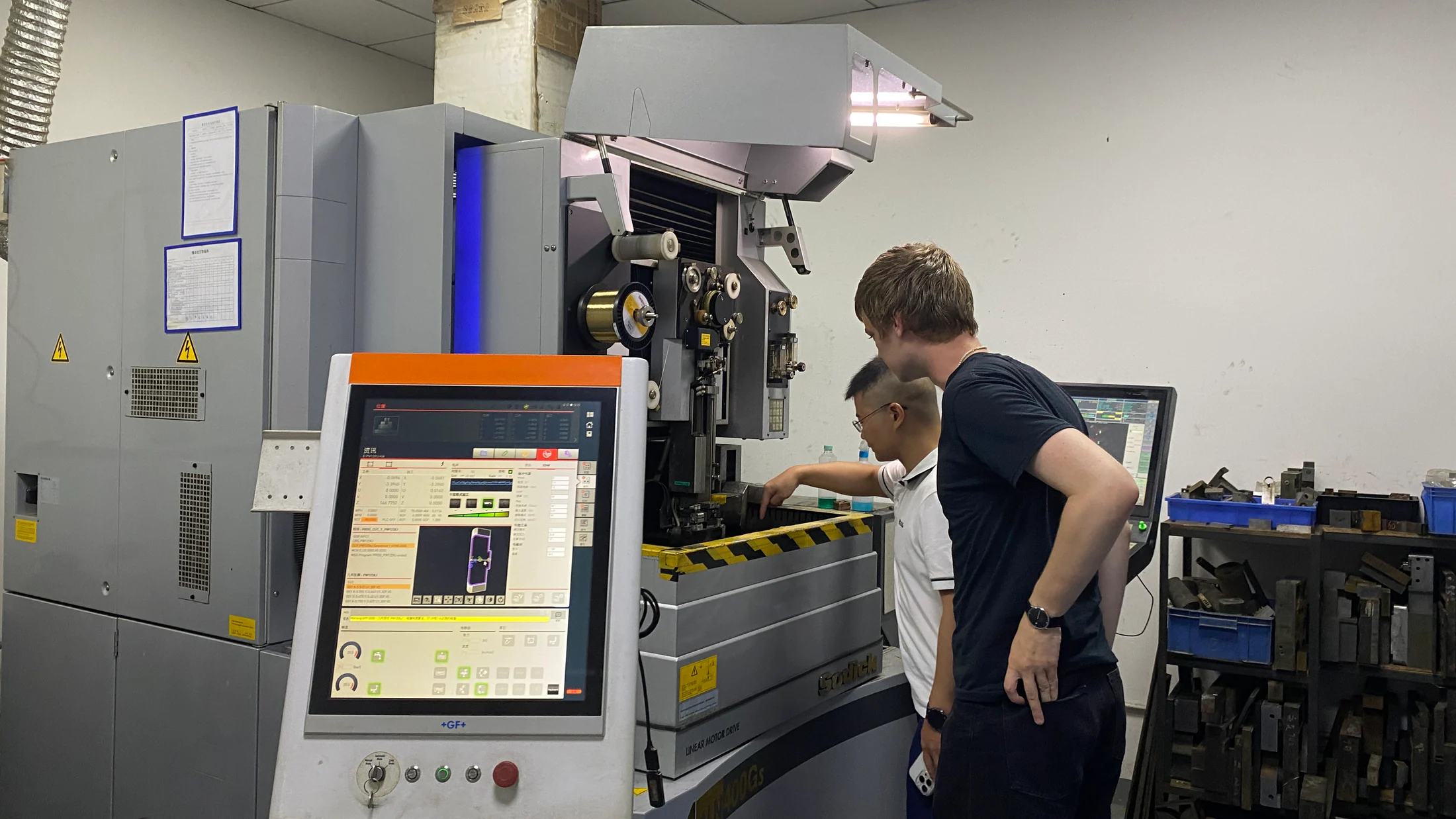
They ask: “Can you introduce me to a factory?”
The better questions come first:
Concept, prototype, or pre-production? The answer changes everything.
Sourcing, prototyping, and co-development require different relationships.
Cost, timeline, and manufacturability are often misread before the first factory meeting.
The right introduction only matters after the right path is clear.
Talking to factories before the product brief is ready creates noise, bad quotes, and wasted months.
Sourcing is not the same as co-development. Choosing the wrong type of partner delays everything downstream.
The lowest quote ignores engineering depth and production reality.
Testing, tooling, and production ramp-up are consistently underestimated.
In hardware, the wrong path can look productive for months.
For hardware founders, Shenzhen offers a density of resources that is genuinely difficult to replicate anywhere else when you know how to access it.
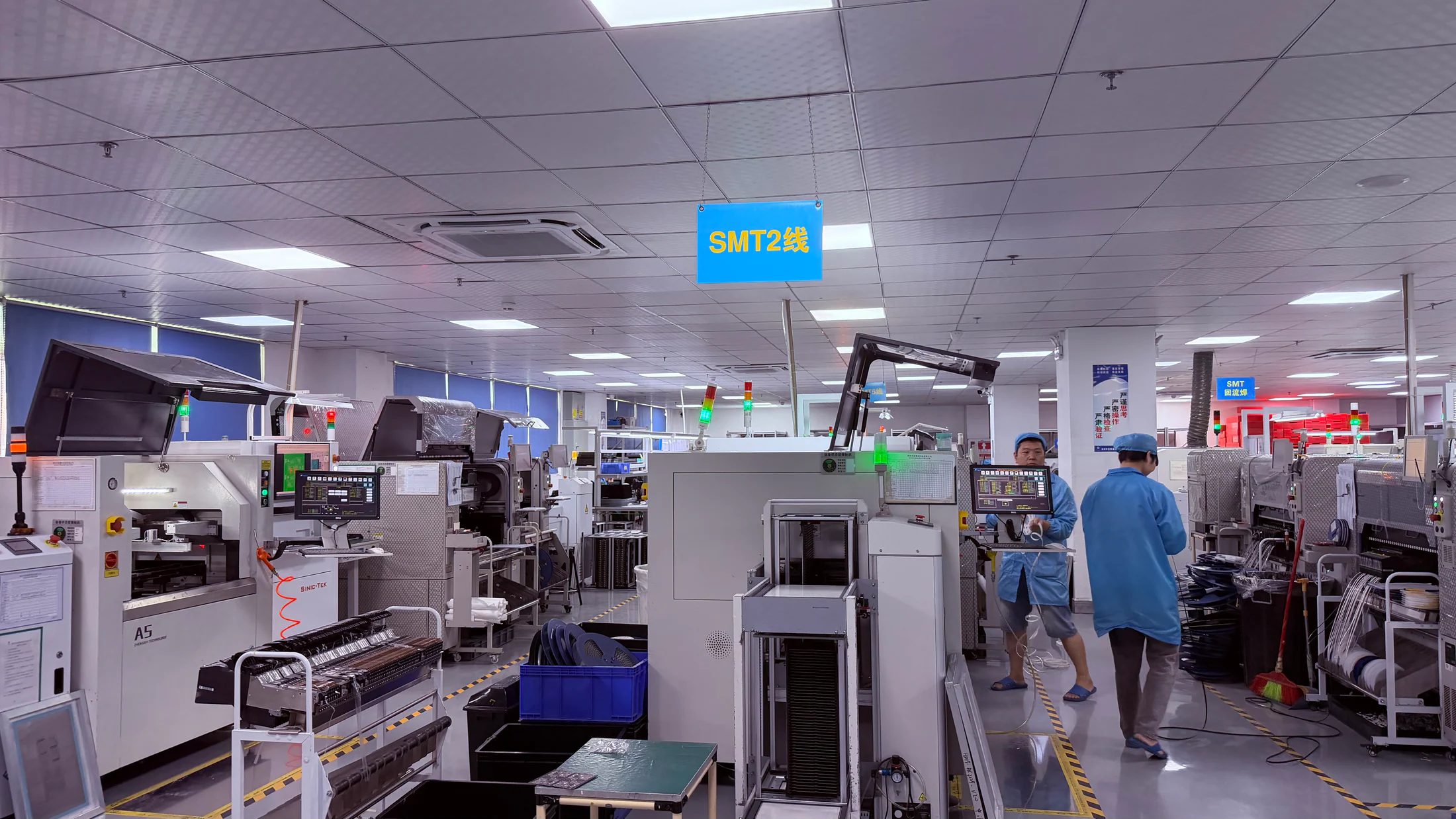
More options do not automatically mean a clearer path. Speed only helps when you know what should happen next.
Clarify what stage the product is in and what information is still missing.
Identify whether the team needs sourcing, prototyping, co-development, or manufacturing support.
Check assumptions around cost, timeline, feasibility, and supplier fit.
My role is not to send you more contacts. It is to help you avoid the wrong path.

Define what the product is and what it needs.

Clarify the right execution approach.

Connect with the right partners.

Support communication and progress.
Partner introductions happen after clarity, not before.
Depending on the project, I coordinate with the right technical, manufacturing, business, and local resources once the direction is clear.
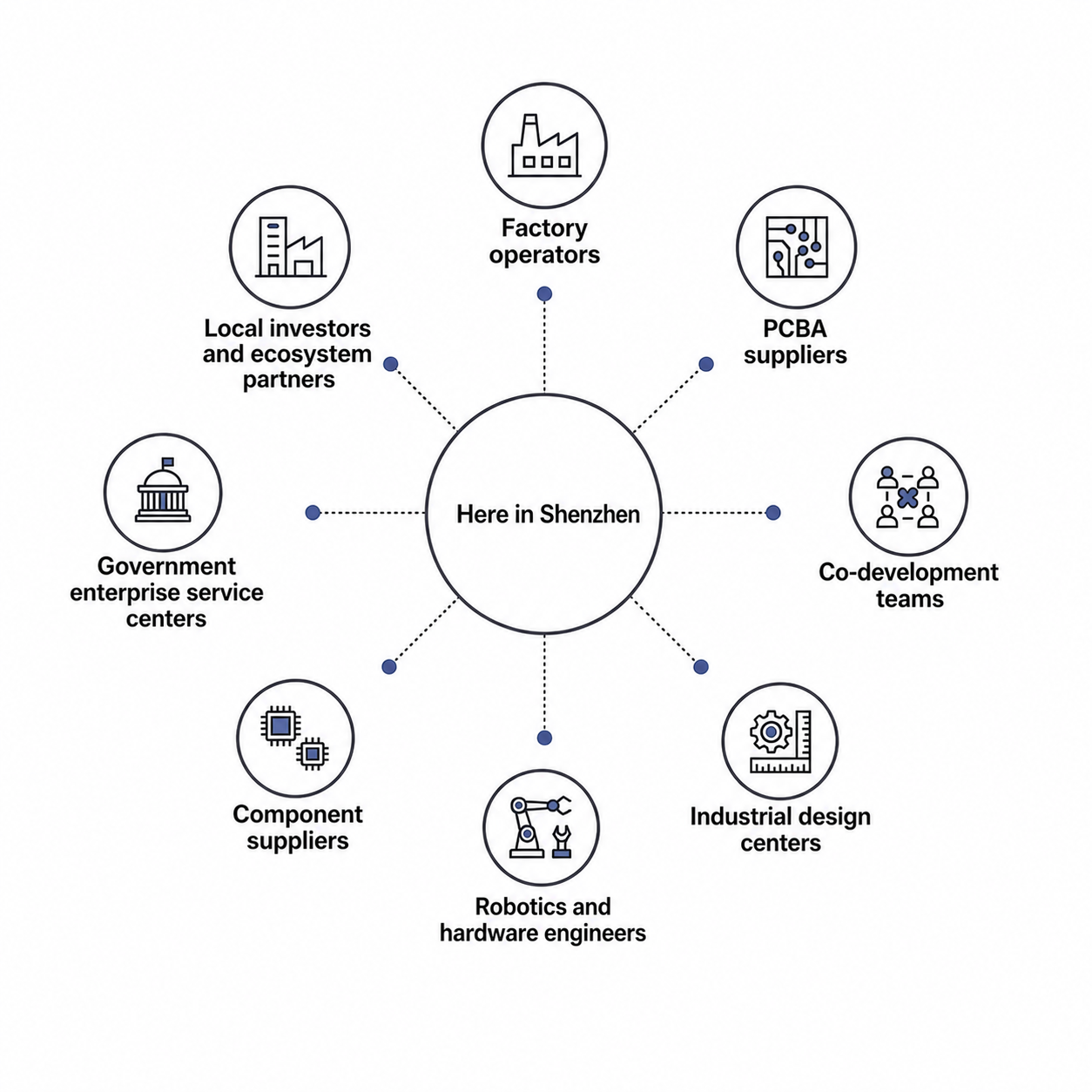
Here in Shenzhen documents Shenzhen’s real business world from the ground, not from a consulting desk.
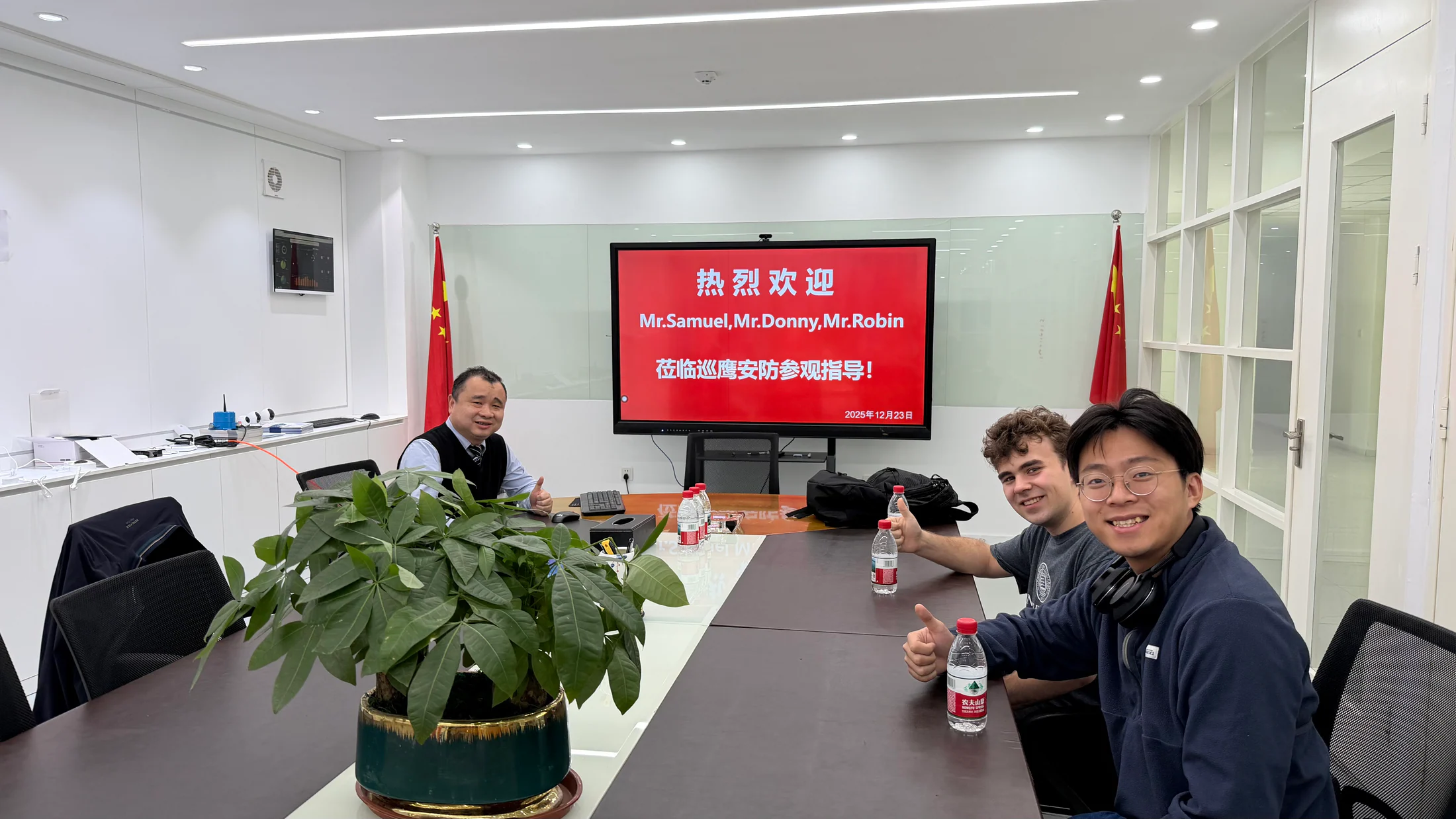
Direct conversations with hardware builders operating in and around Shenzhen.
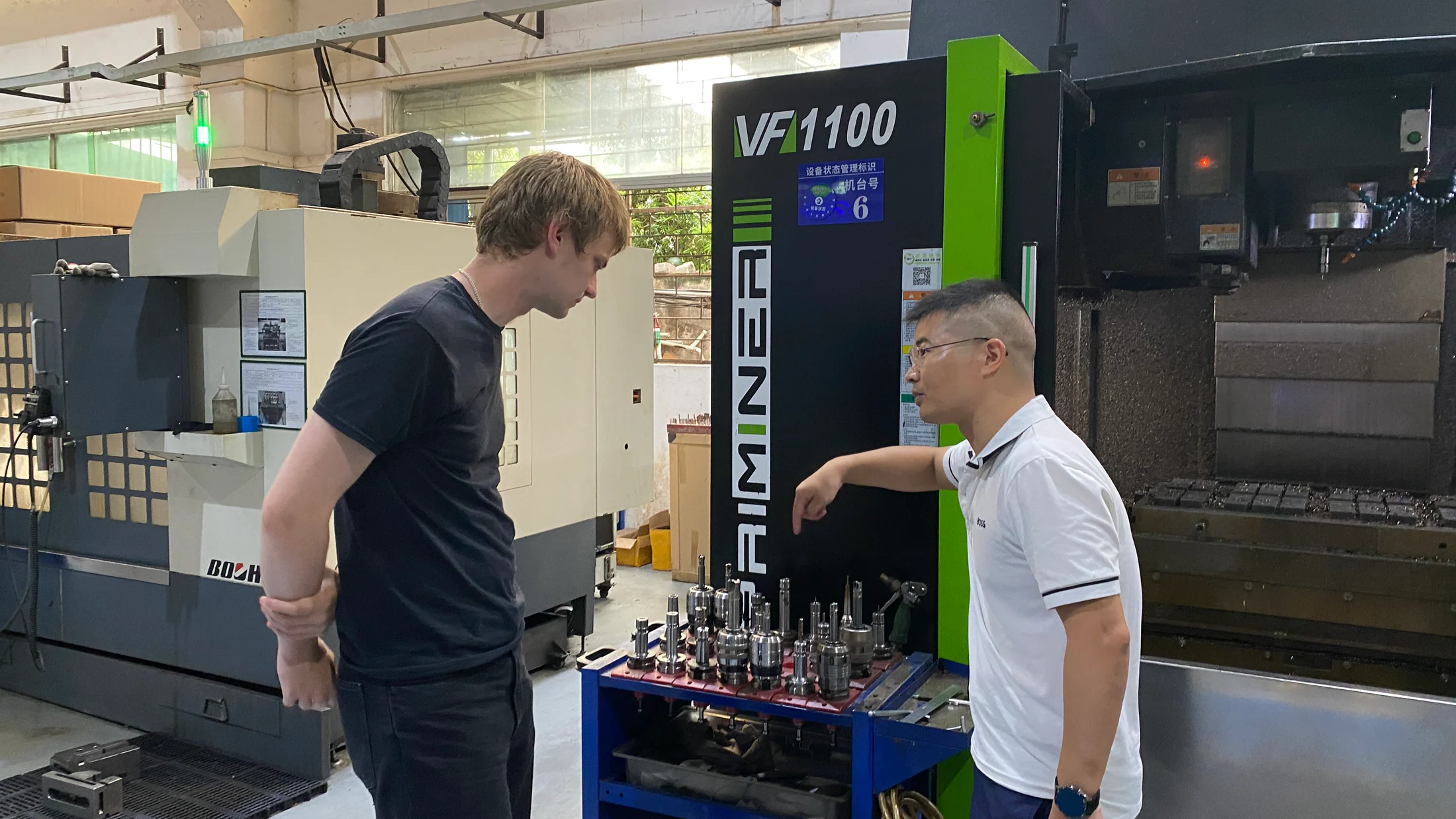
Factory visits, supply chain observations, and market walkthroughs documented as practical guidance.
Conversations with operators, engineers, and builders working at the edge of Shenzhen’s hardware output.
This is not agency research. It is the kind of judgment that comes from showing up in person, repeatedly.
Serious teams with real product intent, not casual factory shopping.
Clarify what can actually be built and what path makes sense.
Move toward production with the right partners and support.
Access Shenzhen-grade components, engineering, and supplier context.
Use the visit for relevant meetings, practical evaluation, and project progress.
Understand manufacturing reality before or after investment.
Clarify the product, stage, problem, priorities, and practical next step.
Identify and evaluate suitable development, engineering, manufacturing, or supply-chain partners.
Assess potential suppliers, factories, capabilities, fit, and execution risk.
Support meetings, visits, communication, follow-up, coordination, and project progress in Shenzhen.
Coming to Shenzhen primarily to understand the ecosystem first? Start with Business Exploration.
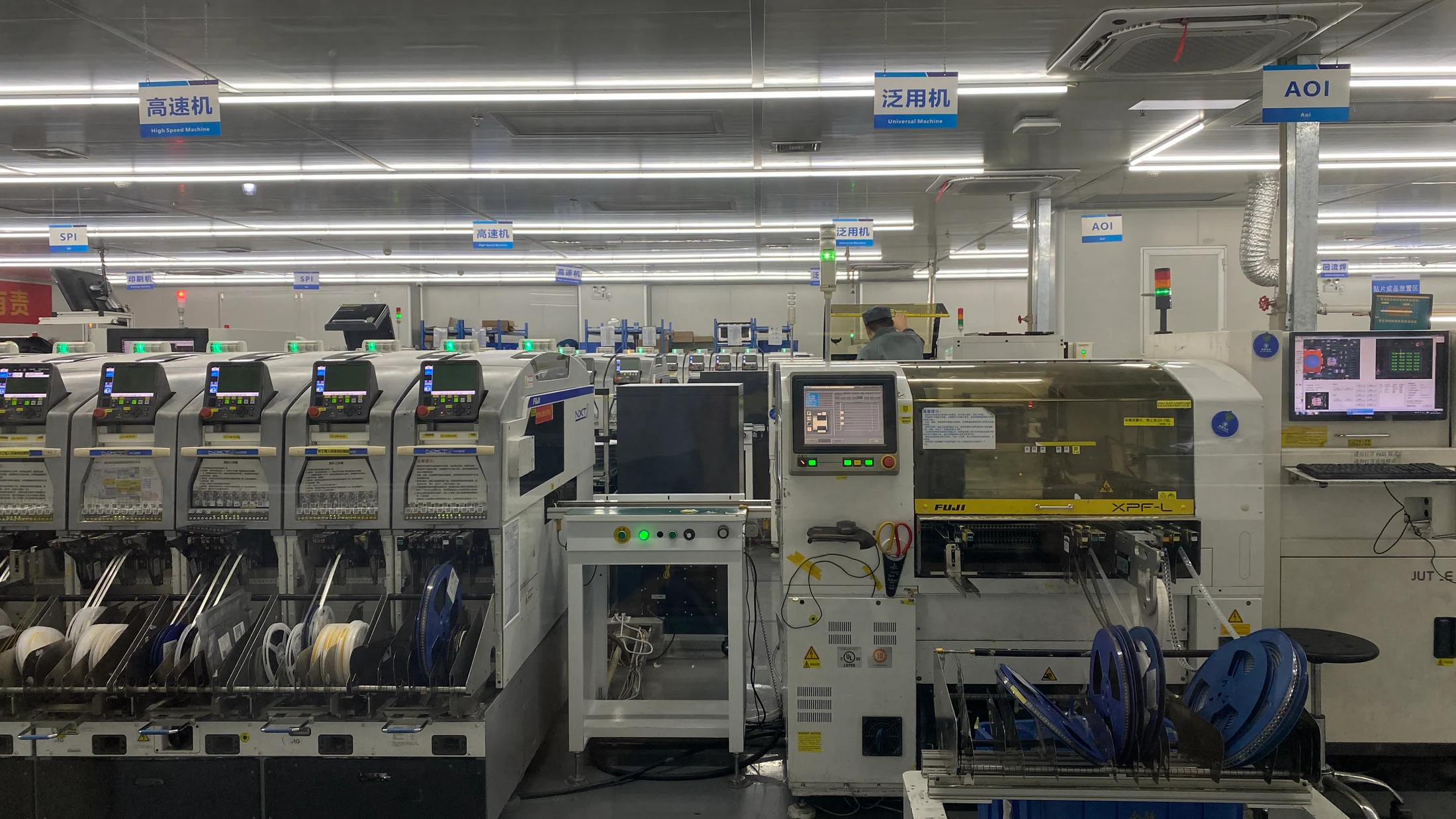
Case Study 01
A US AI-for-science company needed a first-person visual data-capture device for research use.
The real challenge was not finding more suppliers. It was defining the right development path and identifying the right type of partner.
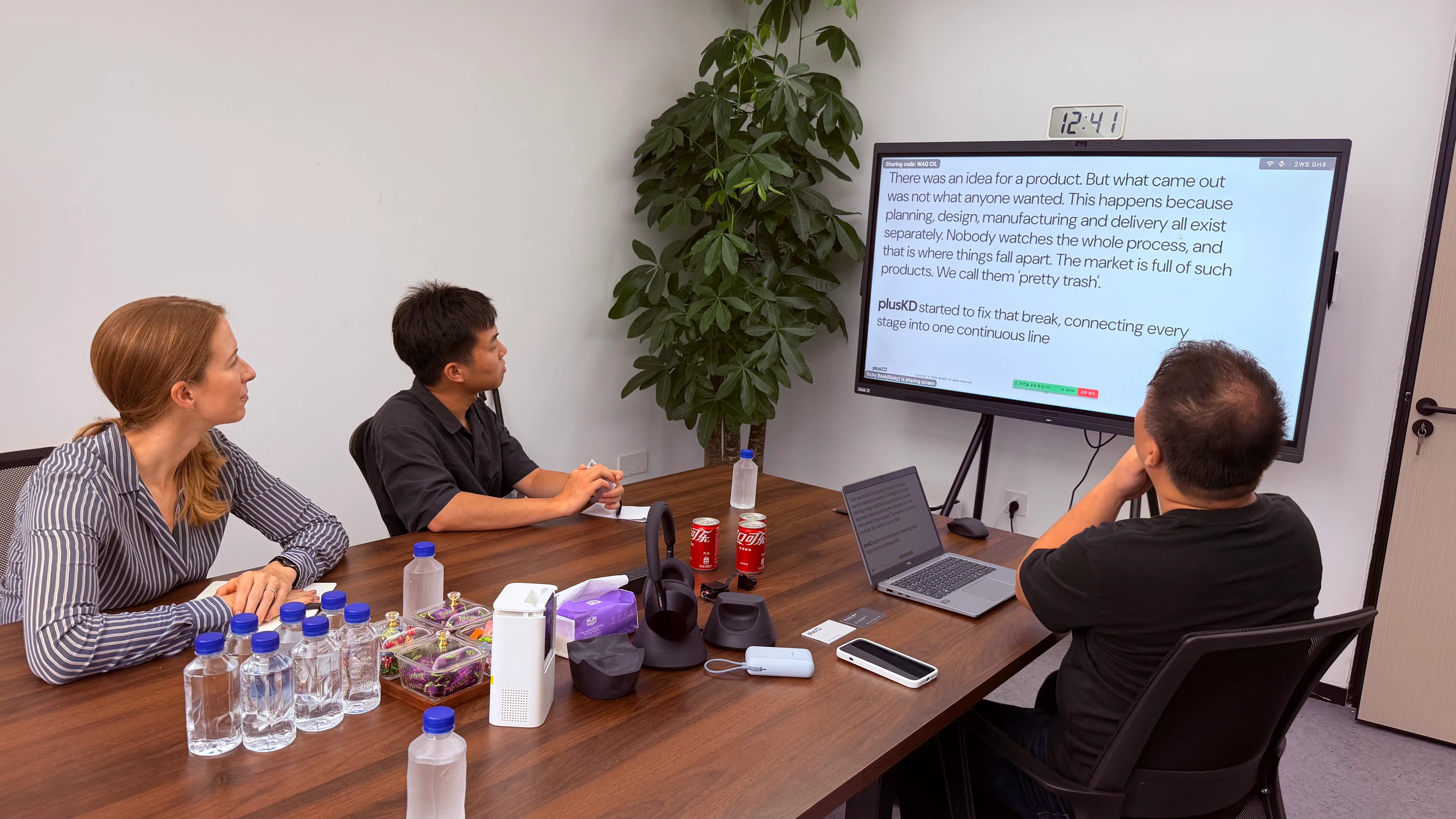
Case Study 01
The client left Shenzhen with two to three potential development partners for final evaluation.
Key takeawayA structured search helped the client avoid irrelevant meetings and make better use of their time in Shenzhen.
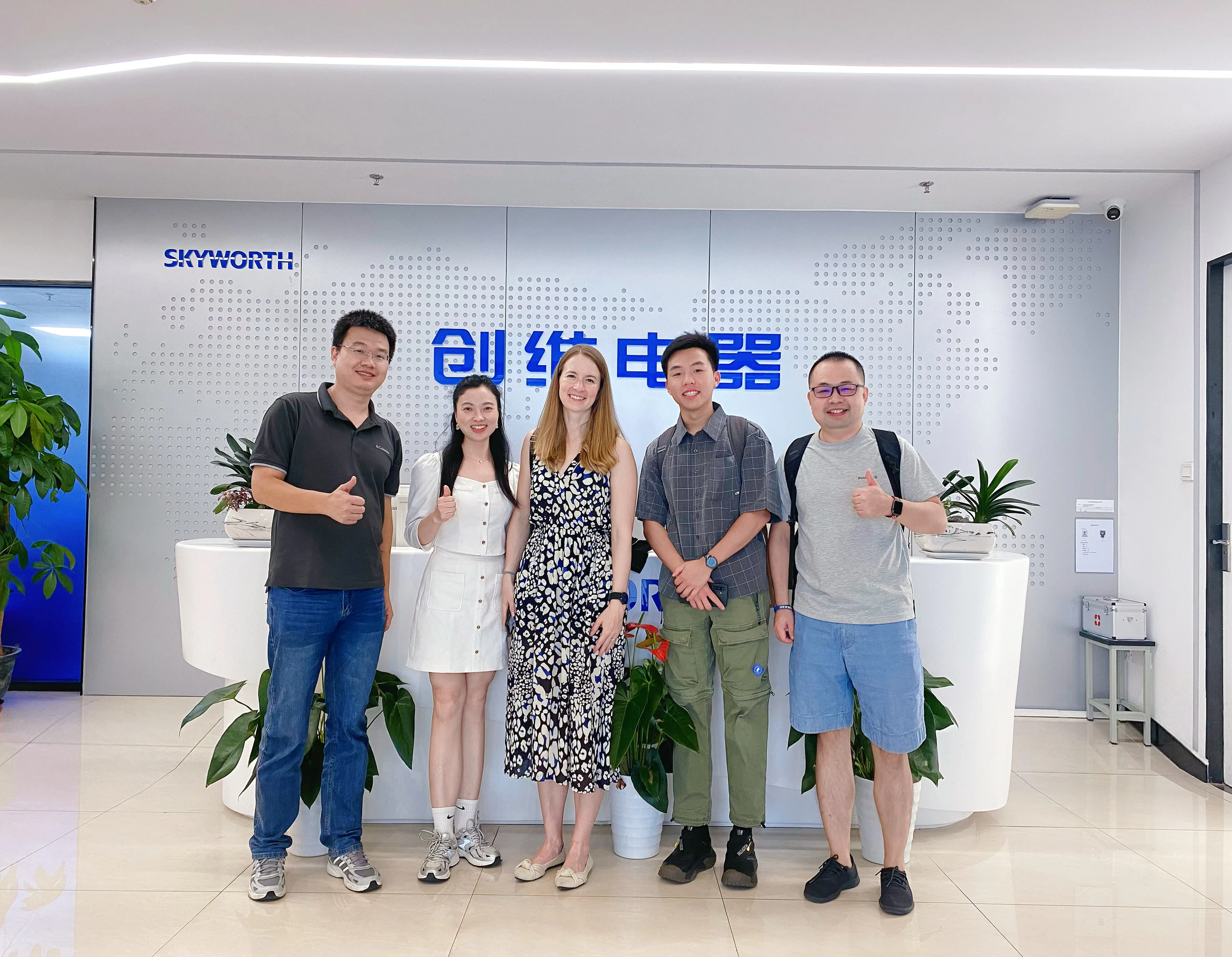
Case Study 02
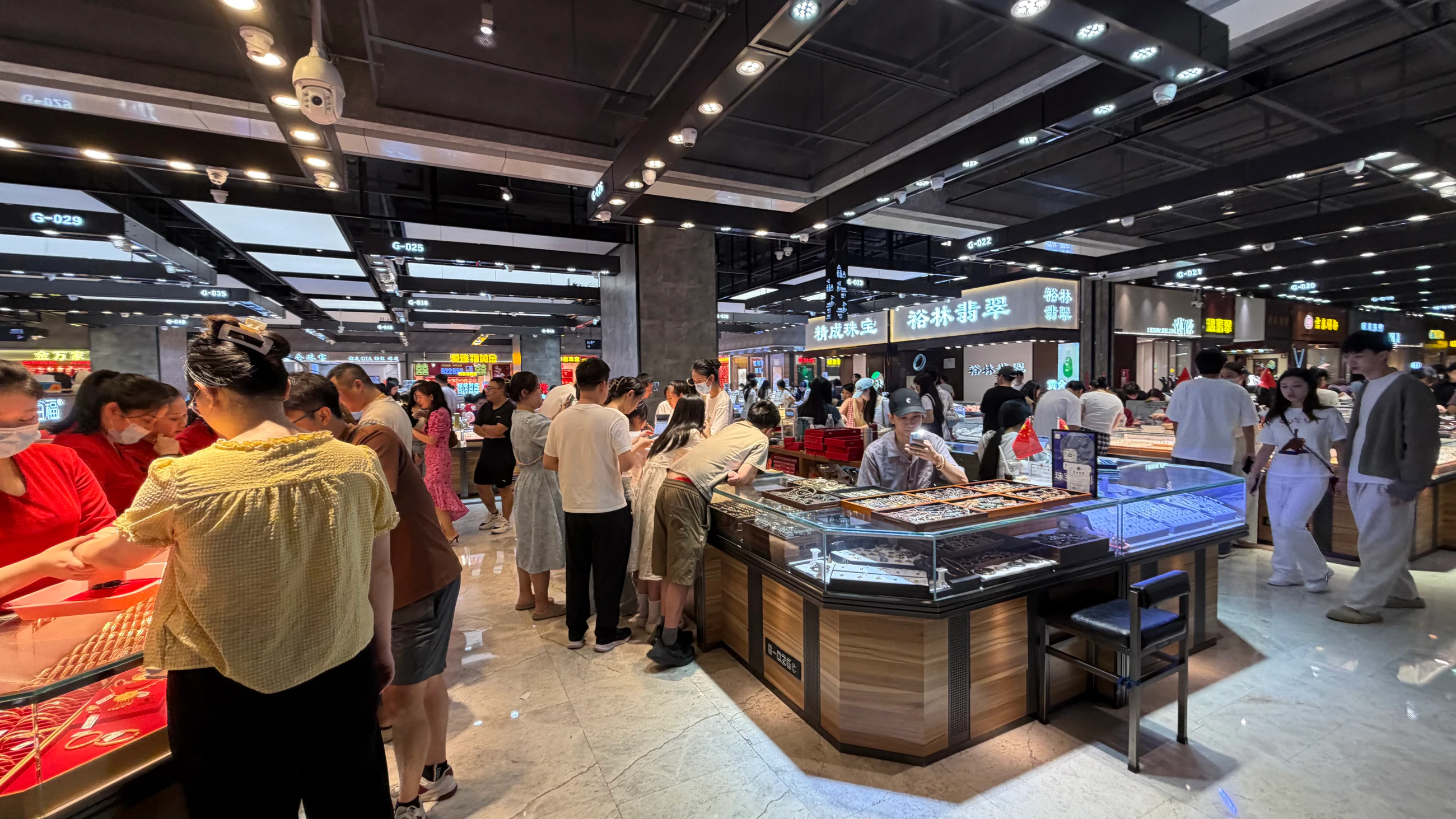
A Philippine jeweller and e-commerce entrepreneur needed lab-grown diamonds with consistent quality, competitive pricing and reliable delivery.
The first shipment was delivered successfully, followed by repeat orders and continued supply-chain optimization.
Key takeawayReliable sourcing comes from testing suppliers, not simply comparing quotations.
Case Study 03
A UK AI hardware startup was developing a wearable device that collects environmental data for personal health applications. The team needed a fast prototype, suitable development partners and a practical plan for entering Shenzhen.
The engagement is ongoing, with partner discussions and the Shenzhen visit being prepared.
Key takeawayAt an early stage, the priority is validating the product path before thinking about mass production.
Selected Partner Capabilities
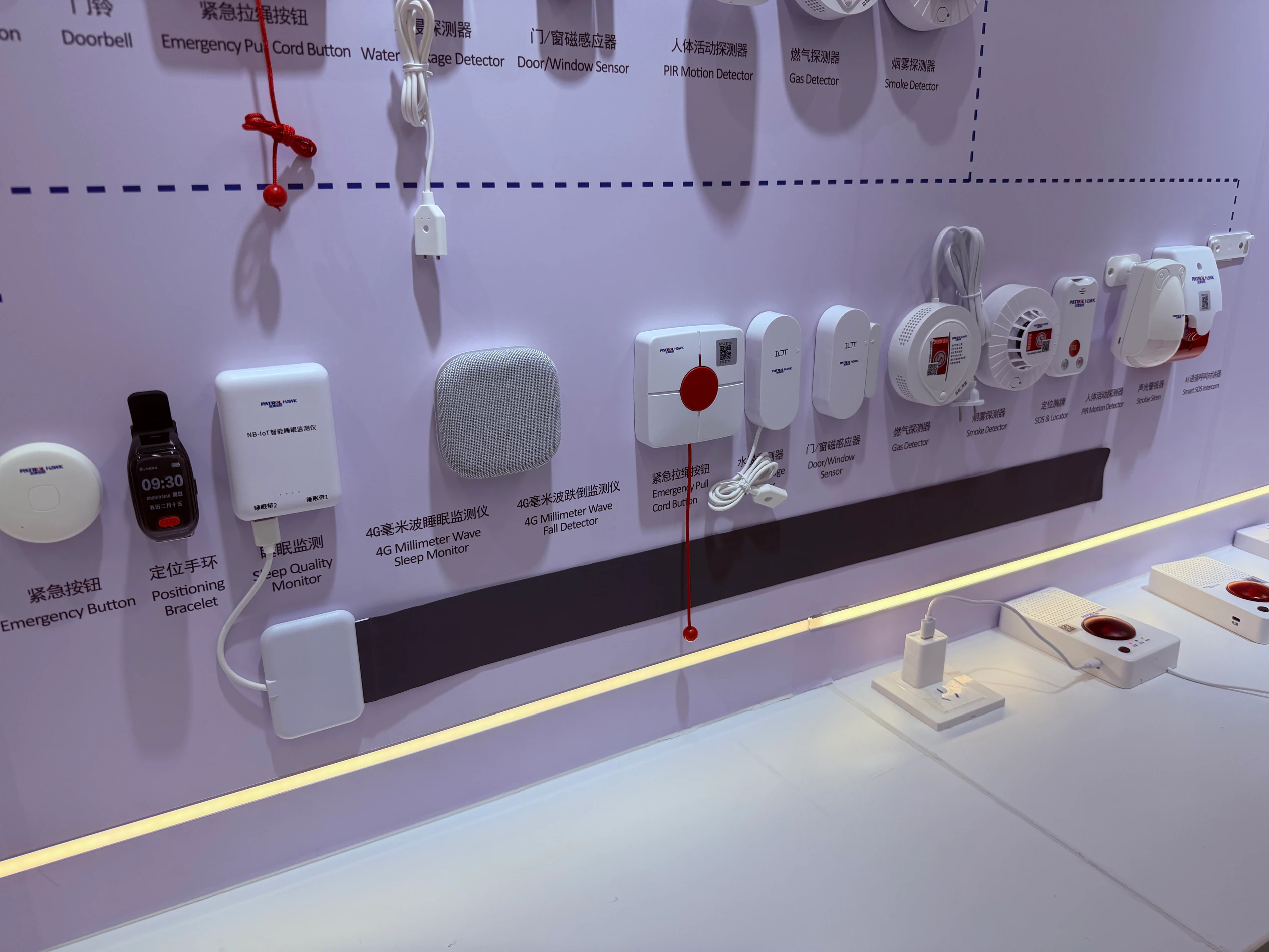
MTK hardware adaptation, microphone-array integration, Android systems, cloud services and AI functionality.
Custom sensing, precision mechanical design, signal conversion and advanced manufacturing.
Hardware, software, industrial design, OTA updates and multi-interface connectivity.
Access to development teams capable of supporting projects across electronics, sensing, embedded software and commercial product integration.
These examples were delivered by specialized teams within our broader partner network.
Define the right next step for your product before committing time and budget.
Meet qualified teams matched to your product, stage and technical needs.
Use focused meetings and local follow-through to reach the next decision.
Tell me what you are building, what stage it is at, and where you are currently blocked.