
AI Can Create a Personalized Nutrition Plan. Why Is Eating Right Still So Difficult?
A visit to Nutribite in Shenzhen explores how personalized nutrition plans become everyday meals through standardized dishes, food production, and delivery.
Imagine AI could create a personalized nutrition plan based on your health condition and dietary needs. What comes next?
Even if you know exactly how much protein, carbohydrates, fat, and other nutrients you should consume each day, how do you actually turn those numbers into everyday meals?
Cooking everything yourself means choosing the right ingredients, measuring portions, calculating nutritional values, and considering how different cooking methods affect the final meal.
This is especially challenging with Chinese food. The same dish can have very different nutritional values depending on the ingredients, portions, and cooking methods.
Doing this for three meals a day would take a lot of time, effort, and potentially money.
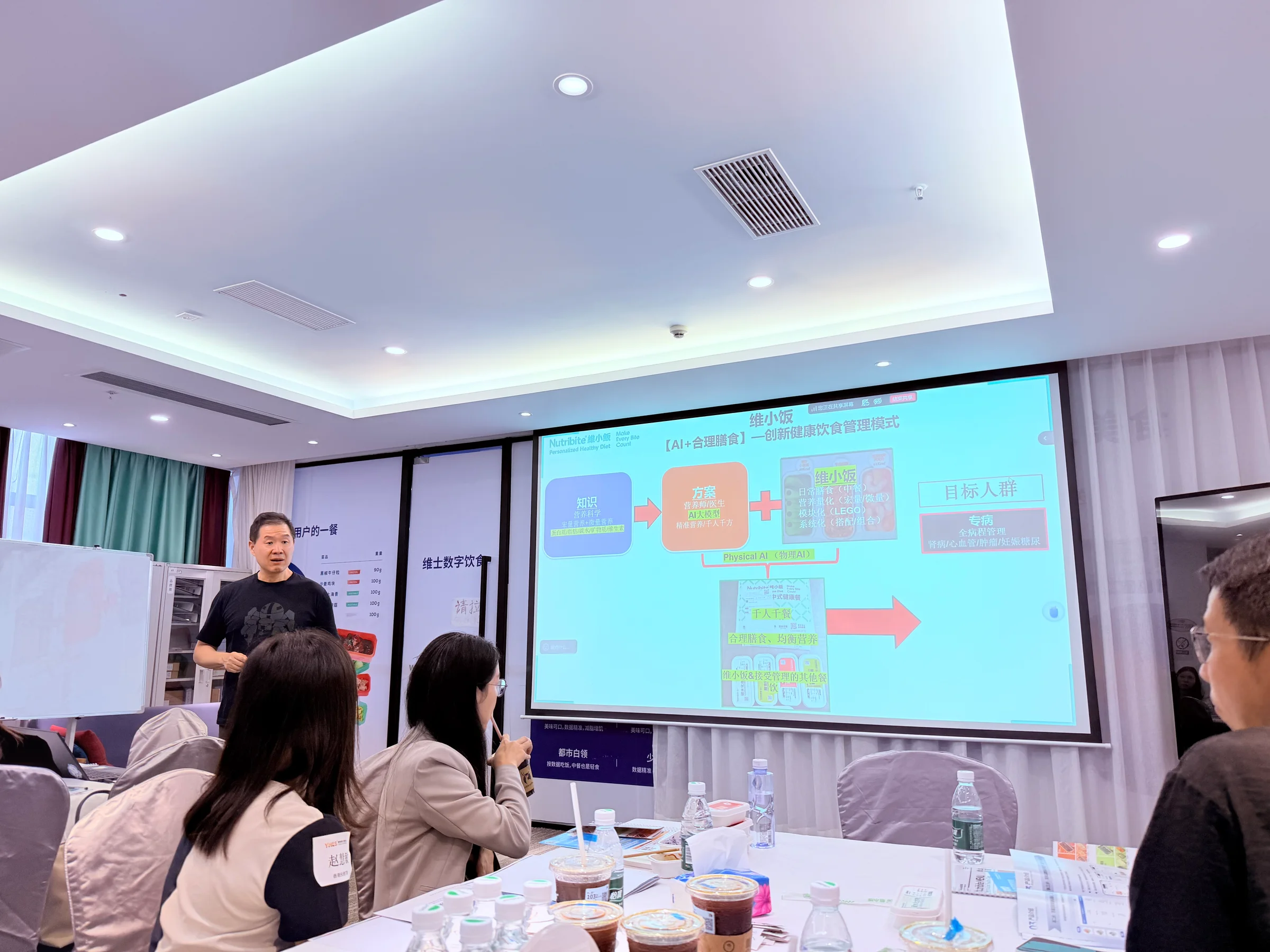
Last week, I attended a business lunch hosted by Yuehai Vision in Shenzhen, where Joe, founder of the healthy meal brand Nutribite (维小饭), shared his entrepreneurial journey over the past several years.
His company is working on an interesting idea: turning personalized nutrition plans into actual meals that people can conveniently enjoy every day.
There’s No One-Size-Fits-All Healthy Meal
Joe is a former Vice President of Alibaba Group and the founder of OneTouch, a Chinese cross-border trade services company that was later acquired by Alibaba.
After leaving Alibaba in 2017, he began paying more attention to nutrition and healthy eating because of his own health issues. He eventually founded Nutribite in Shenzhen in 2019.
When we talk about healthy eating, we often think of less oil, less salt, more vegetables, or fewer calories.
But everyone’s nutritional needs are different.
A healthy adult, someone who works out regularly, a person managing blood sugar levels, and a patient with kidney disease may all have very different requirements for protein, carbohydrates, sodium, potassium, and other nutrients.
Nutribite is trying to address this through standardized Chinese meals.
They break traditional Chinese dishes into individual modules, each with standardized ingredients, preparation methods, and nutritional data.
These modules can then be combined based on different nutritional requirements.
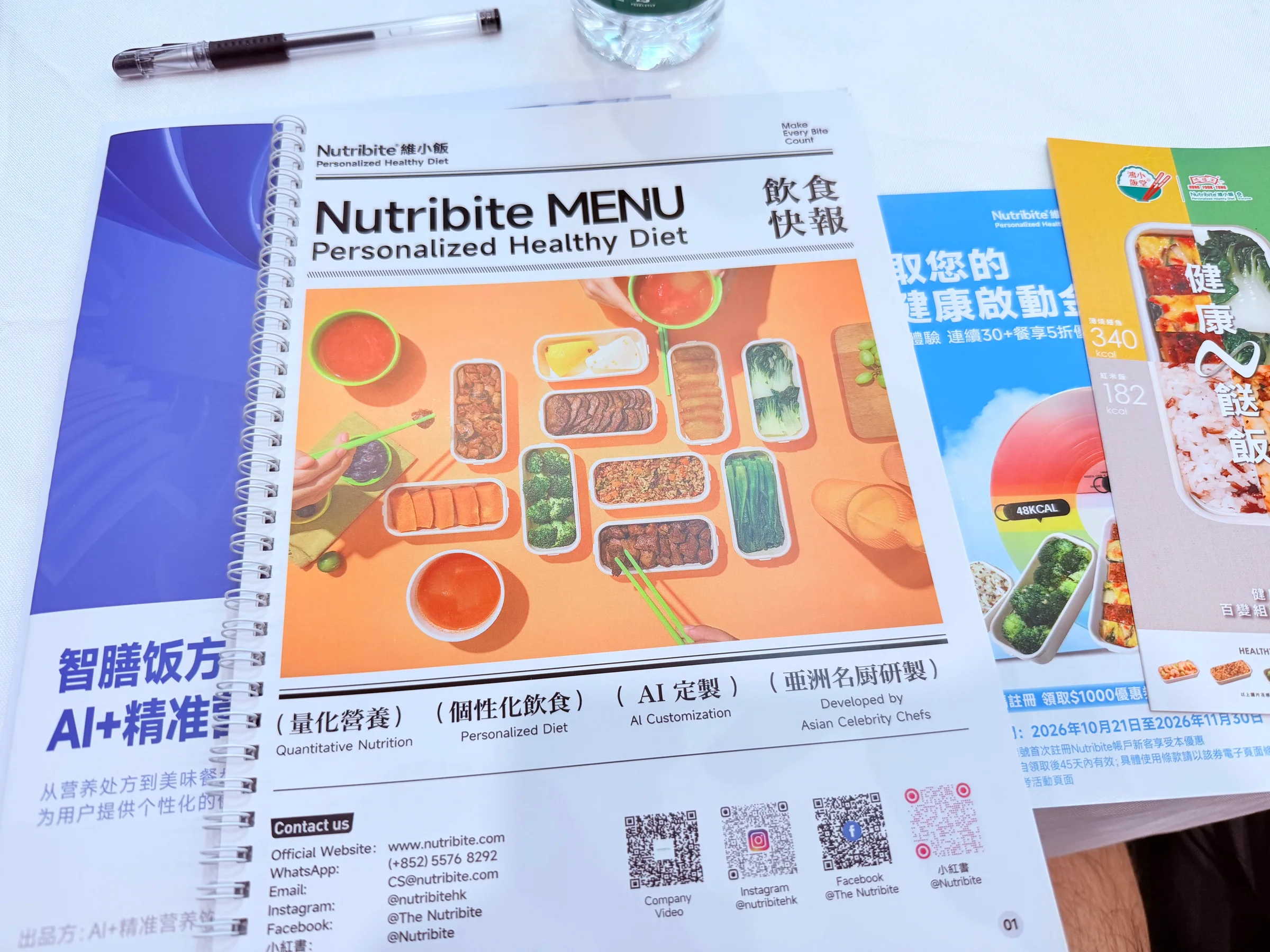
According to the company, they currently have around 70 standardized dishes that can be combined into approximately 15,600 different meal combinations.
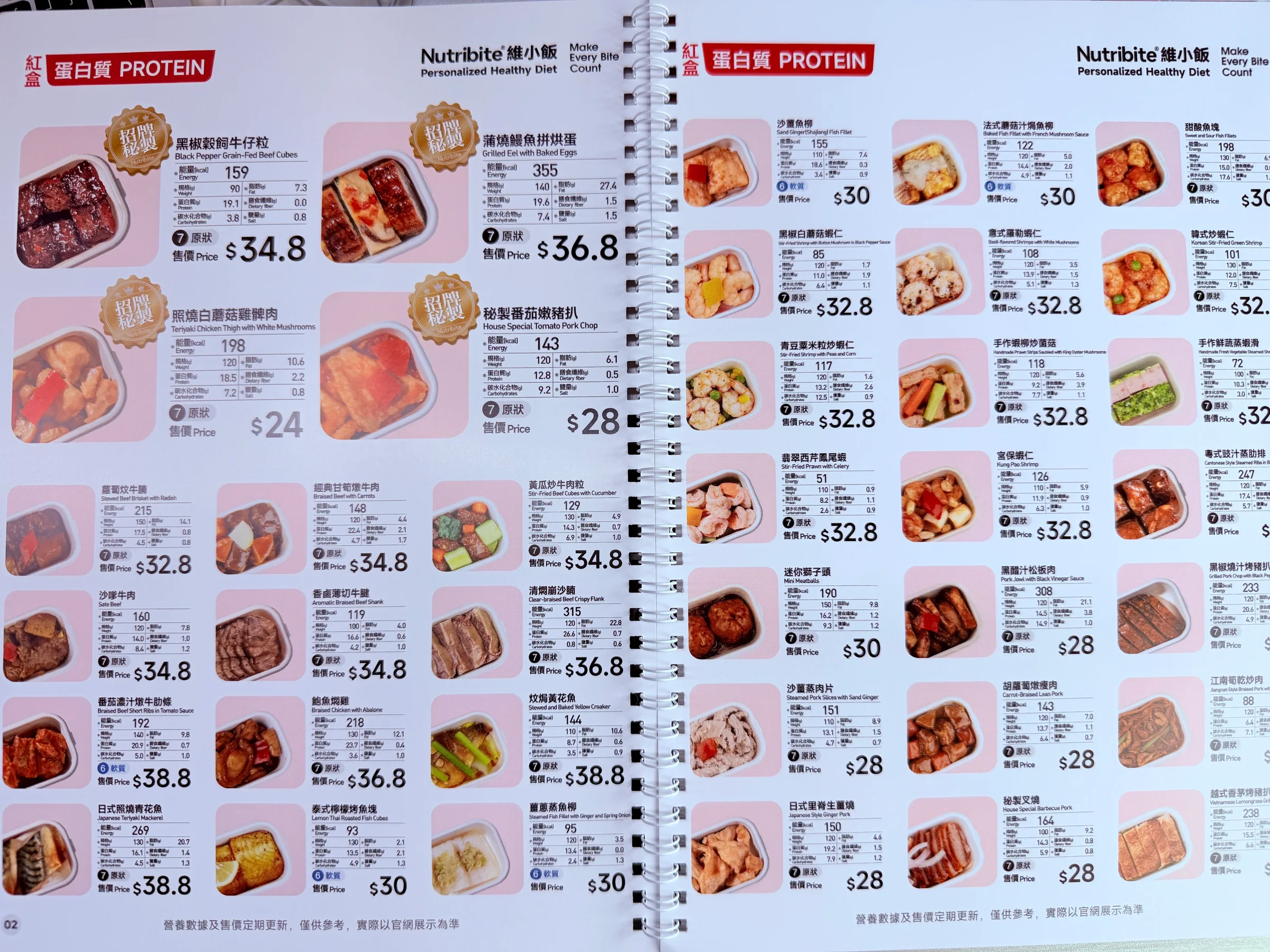
With AI, the system can also help generate personalized nutrition plans based on a person’s health condition, goals, and food preferences, then match those requirements with dishes from its database.
For people with medical conditions requiring dietary management, professional guidance from doctors or dietitians is still necessary.
At the End of the Day, It’s Still About the Food
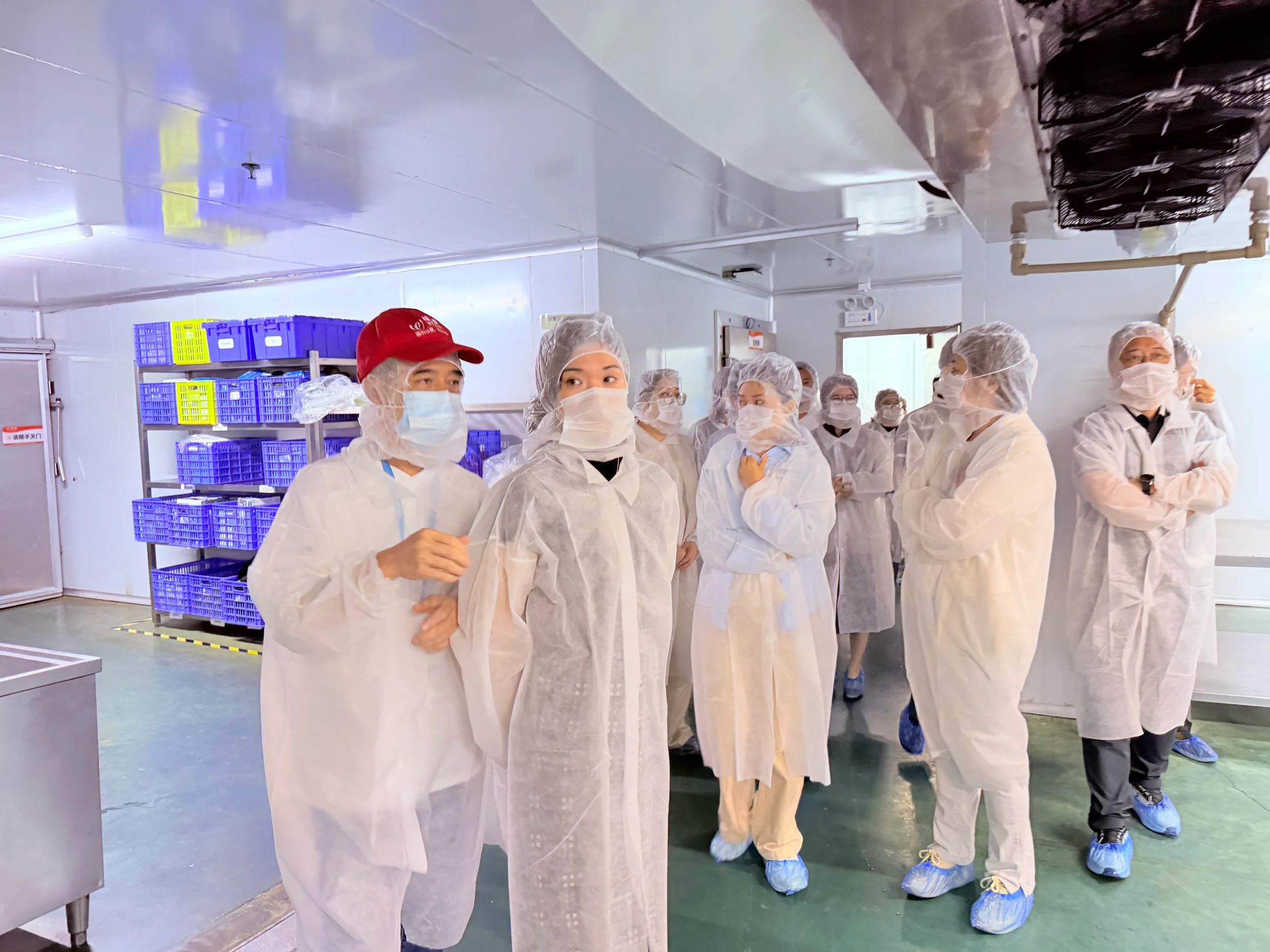
During the event, we also toured Nutribite’s food production facility, including its standardized production processes and nutritional testing operations.
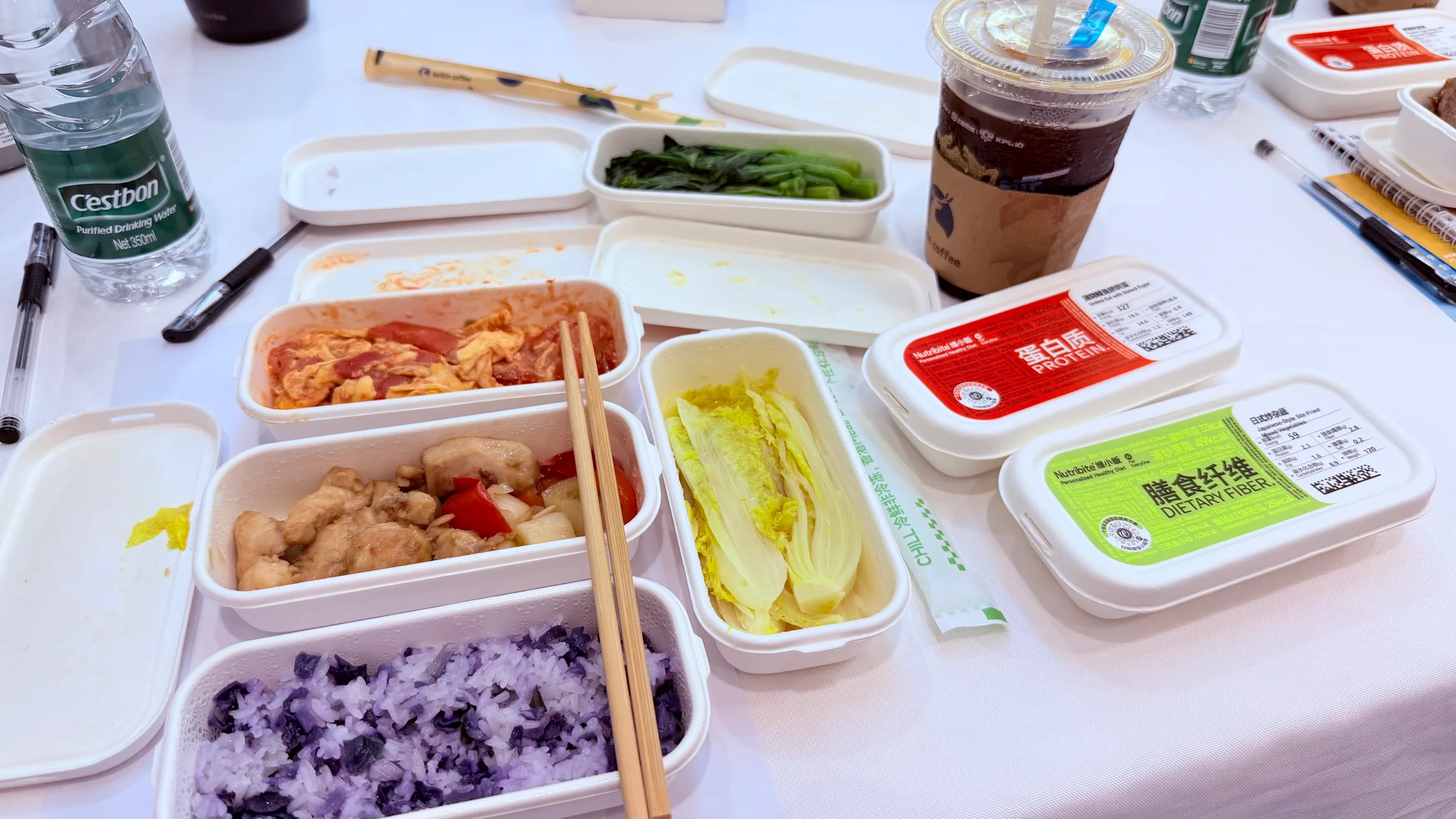
And of course, we got to try the food.
The packaging looked modern, with carefully portioned dishes and clearly labeled nutritional information.
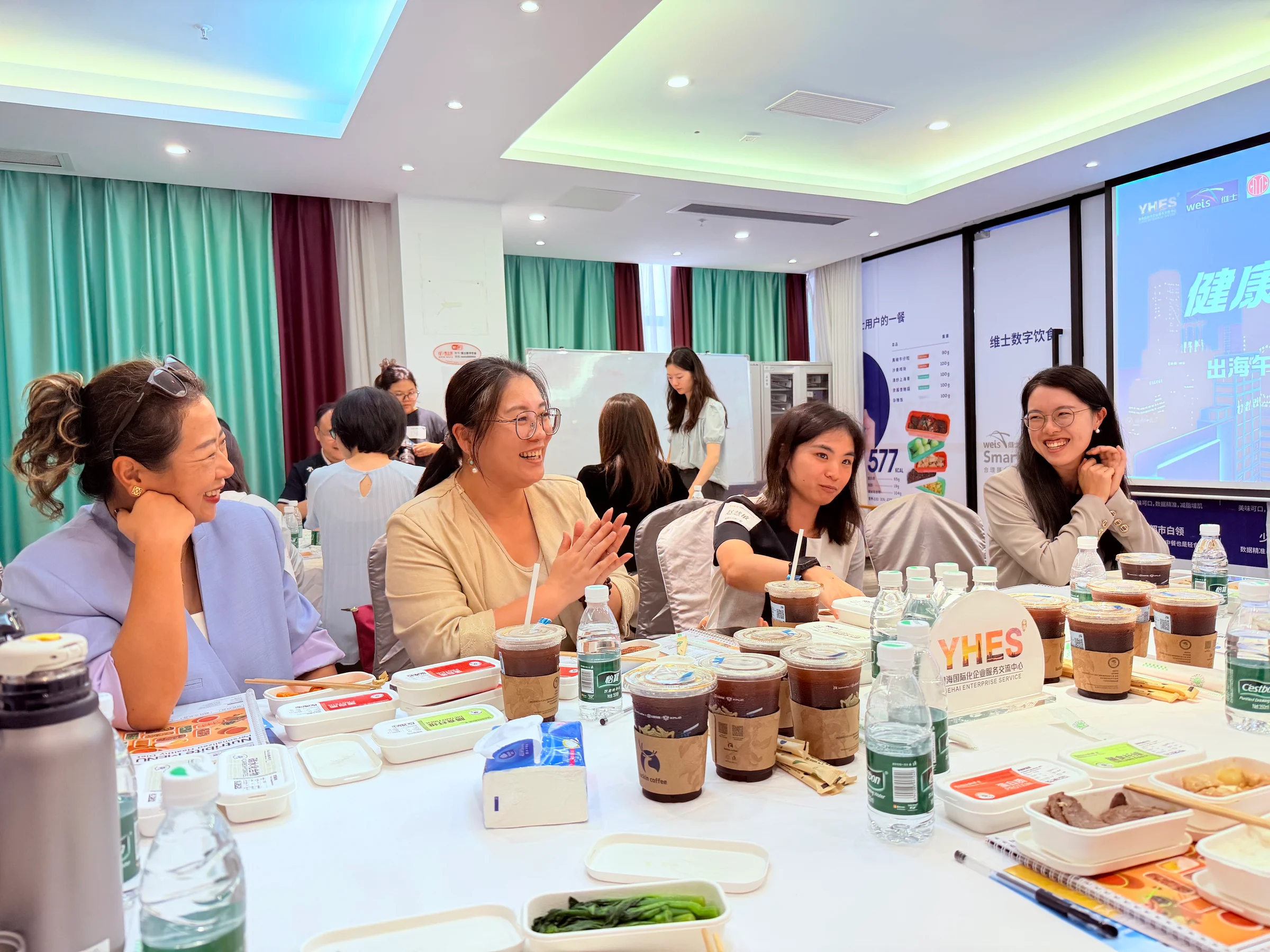
I thought the food tasted pretty good. Two or three dishes made a satisfying meal, and the price seemed reasonable.
If I could conveniently get these meals near my workplace, I’d be happy to eat them regularly.
After all, no matter how scientifically designed a meal is, people still care about taste, price, and convenience. These factors matter when it comes to maintaining healthy eating habits over time.
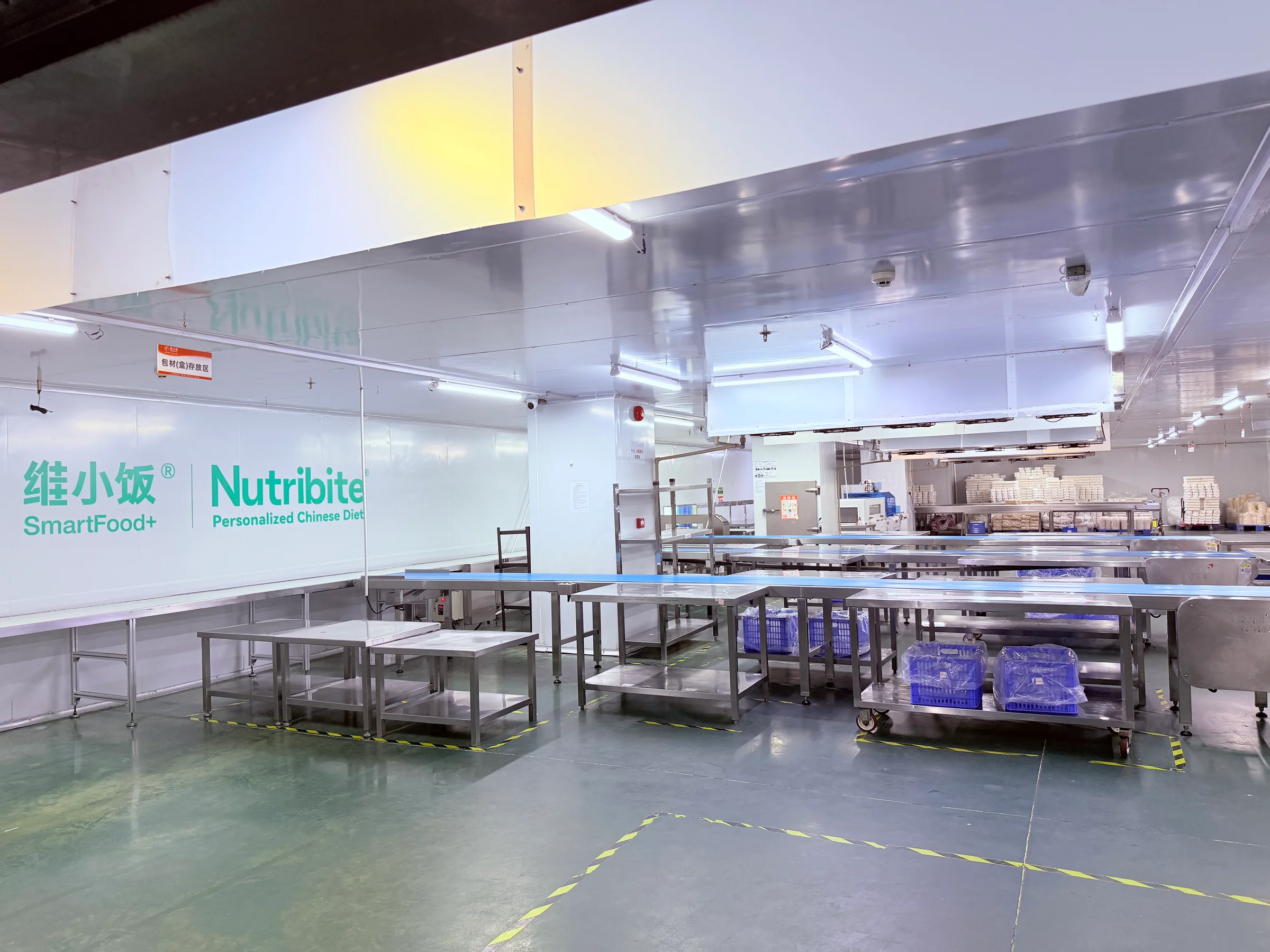
Visiting the facility also gave me a better understanding of the work behind their standardized production and nutritional testing systems.
AI can help create nutrition plans, but turning those plans into meals that can be consistently produced and delivered requires an entire food production system.
Different Customers, Different Needs
Over the years, Nutribite has explored different markets, including everyday healthy meals, dietary management for people with chronic conditions, and partnerships with hospitals.
For patients who need strict nutritional management, following a specific diet can be a medical necessity.
For many other people, including some living with chronic conditions, healthy eating may be important, but consistently managing their daily diet is another matter.
Personal habits, lifestyle, and attitudes toward healthy eating all play a role.
The company has also explored different approaches in mainland China and Hong Kong.
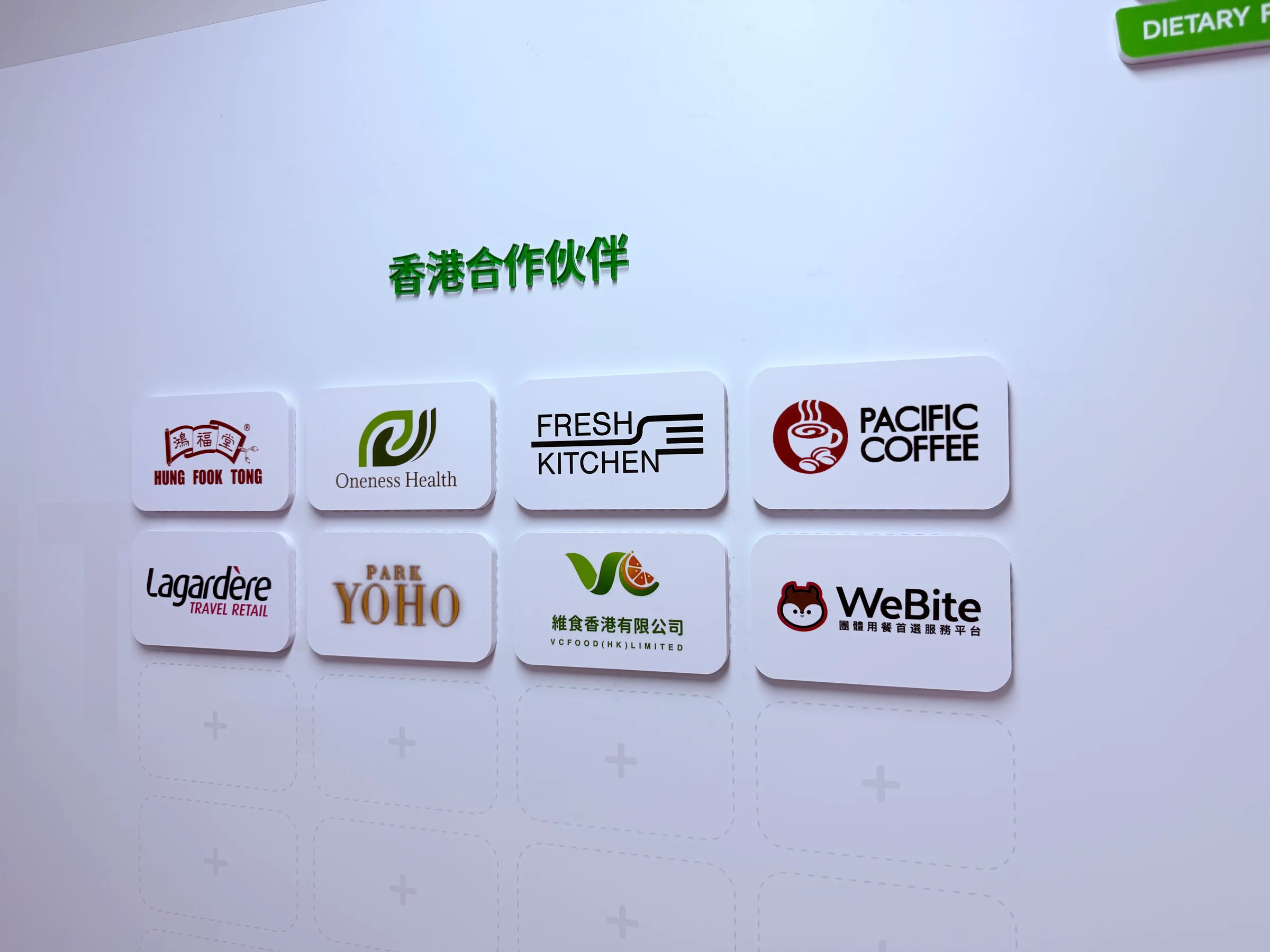
Its business in Hong Kong has been developing well, supported by partnerships with established local brands such as Hung Fook Tong and Pacific Coffee, making its meals more accessible through existing retail channels.
Meanwhile, mainland China’s food market is highly competitive, with consumers having access to a huge variety of dining options at different price points.
For healthy meal services, nutritional value is only part of the equation. Taste, convenience, pricing, and existing eating habits all influence consumer choices.
Finding the right customers and distribution channels is an important part of developing this kind of business.
During his talk, Joe joked that after nearly eight years of working on Nutribite, it still feels like a new product.
I found that quite interesting.
I personally see a lot of potential in combining AI with personalized nutrition.
As AI continues to develop, creating nutrition plans tailored to different health conditions, goals, and dietary preferences could become much easier and more affordable.
Nutribite has already connected nutritional data, standardized food production, and meal delivery into a working service. AI could open up even more possibilities for what they’ve built.
How widely services like this can grow will depend on consumer acceptance and how well they compete in different markets.
We all need to eat every day. If personalized nutrition can become more accessible without compromising taste, affordability, or convenience, I think that’s something worth exploring.